
The Science of Soul Paint

Much as the bottom of the oceans, and the far reaches of space remain mysterious to us, there is still so much to explore and learn about our inner worlds.
Soul Paint brings together art and science to explore the diversity of human experience. Here we share the guiding principles of our research.

Inner experience
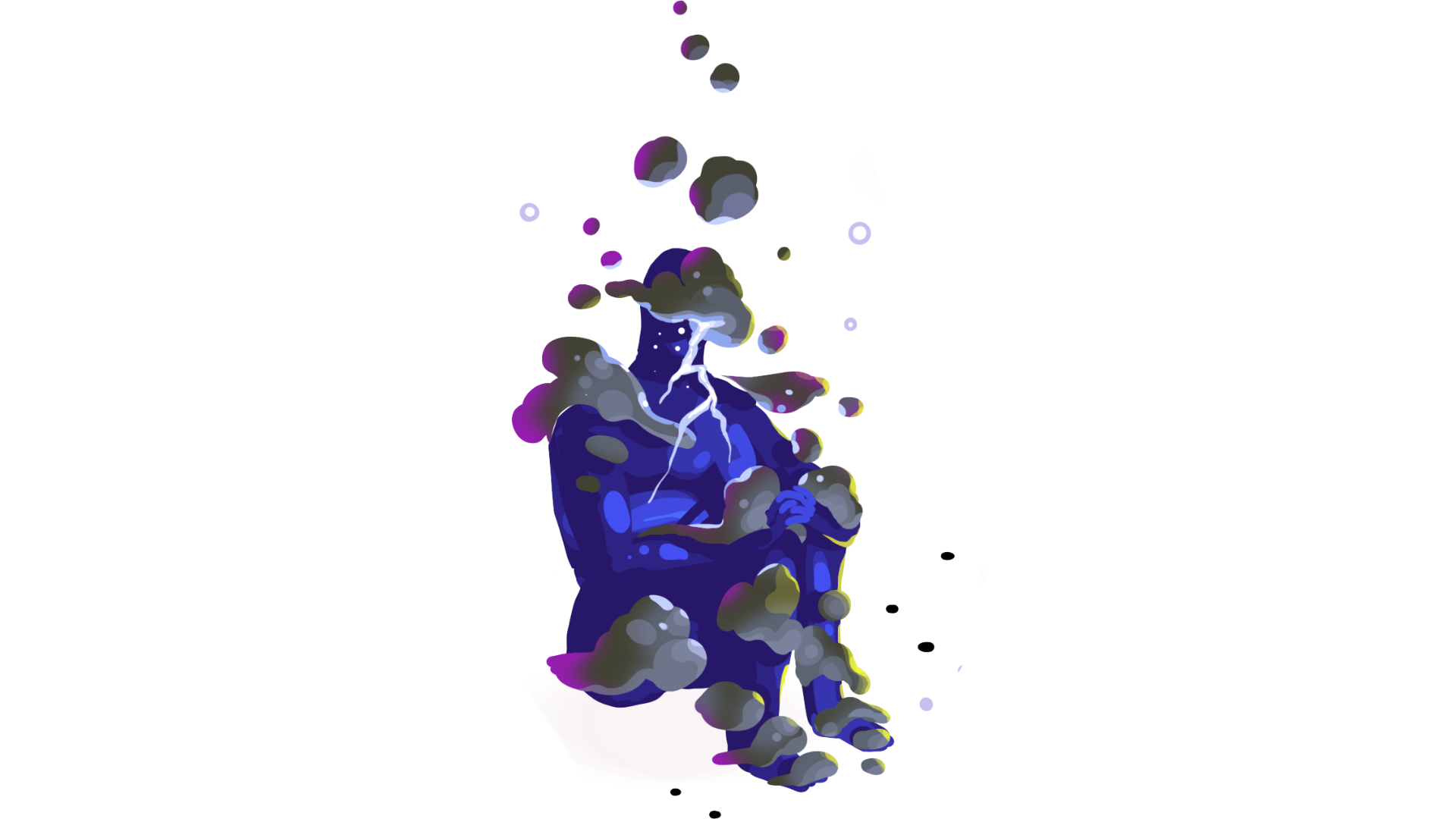
Our inner world and experience consists of many different things such as: feelings, emotions, thoughts, memories, inner dialogue, and visual imagery. It can feel impossible to express or make sense of. Inner experience is becoming established as an important field of science that can help us learn the fascinating and diverse ways we as humans experience the world. Our first couple of questions therefore invite you to think about and tell us more about your inner experience.
Ponder: What do you notice most in your inner world right now? When you think do you imagine words, pictures, shapes?
Reading:
The Voices Within, Charles Fernyhough
How God Becomes Real, Tanya Luhrmann
Describing Inner Experience, Russell T. Hurlburt & Eric Schwitzgebel
Interoceptive awareness
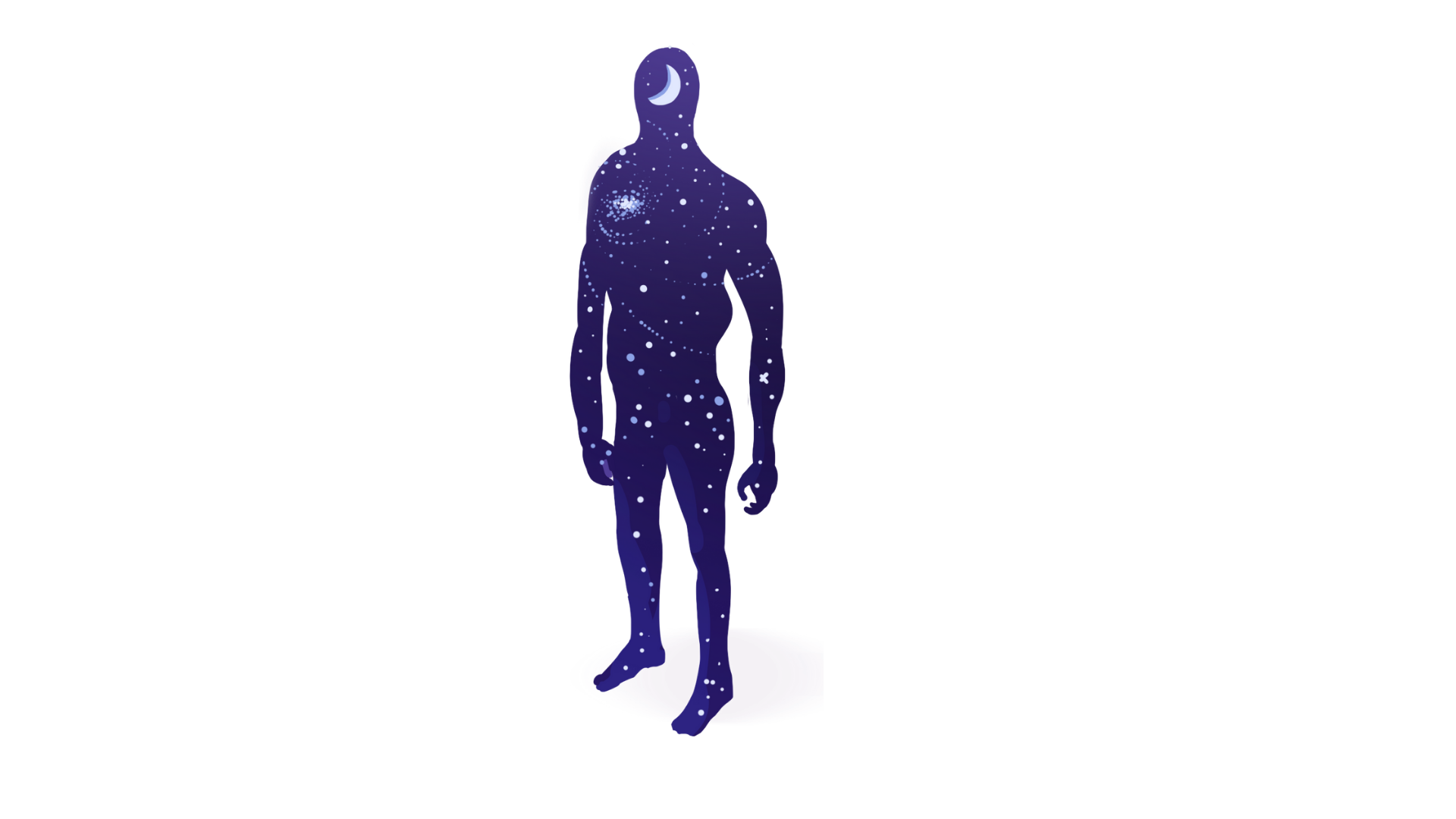
Interoception is noticing and understanding signals from your body. These can be sensations, feelings, and shifts that can be very clear but often they are much more subtle or hard to name. For instance, it can be changes in body temperature, an increase or decrease in tension, or feeling your heart rate quickening. These signals are a part of how we understand ourselves, respond to certain situations, and connect to others. We are curious to learn about how you relate to the feelings in your body.
“Poor or disrupted awareness of sensory information is linked to difficulties with emotion regulation; improving interoceptive awareness can help people regulate their emotional responses more effectively.”
Ponder: Ponder: Can you hear your own heart beat? In what moments/under what circumstances do you feel most in tune with the feelings or sensations of your body? (can be both pleasant and unpleasant). For example it could be swimming, listening to music, eating good food, talking to friends etc. [open answer]
Reading:
The Feeling of What Happens, Antonio Damasio
The Body Keeps The Score, Bessel Van Der Kolk
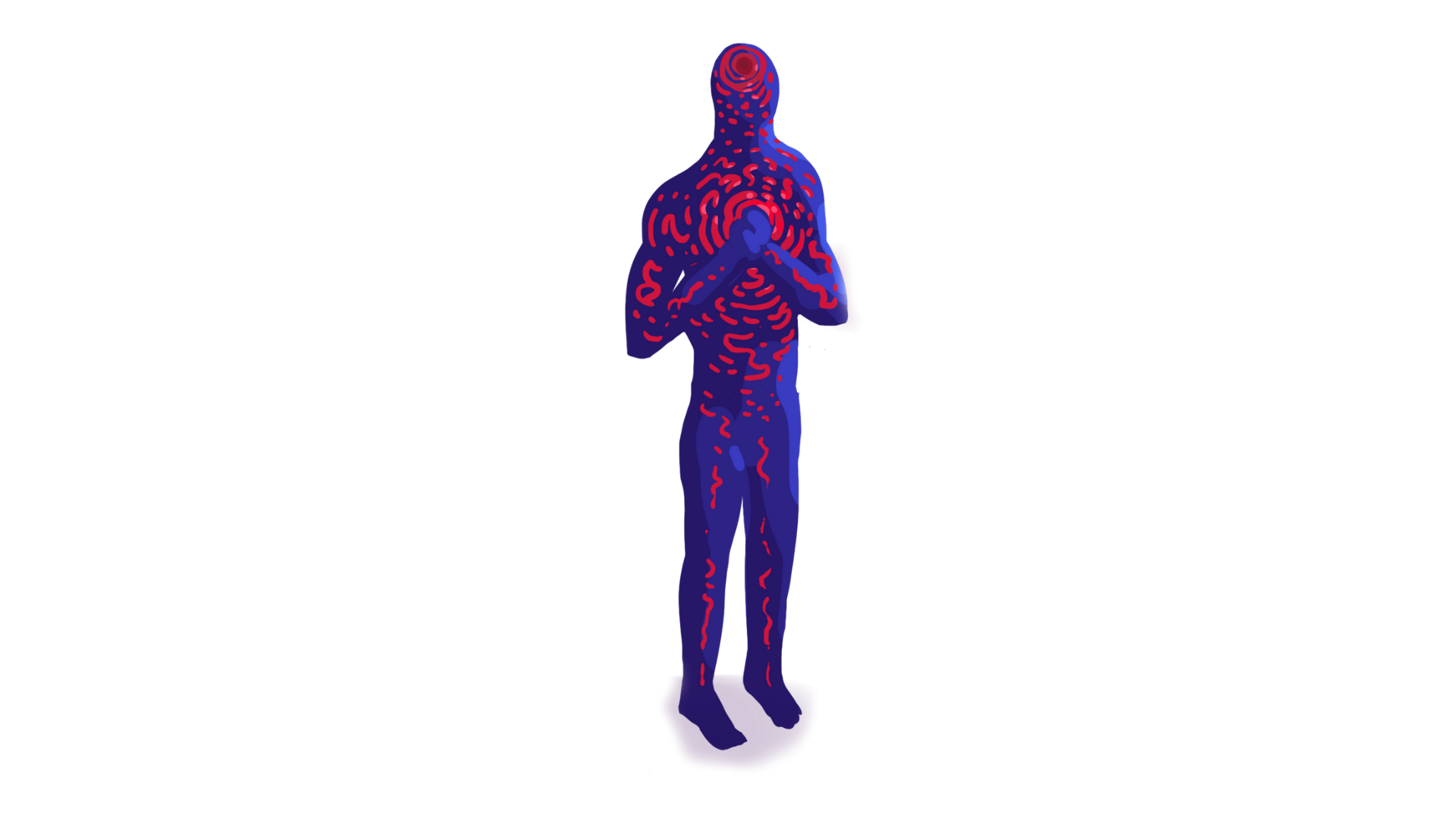
Emotions don’t just live in our minds, they show up in our bodies too. Over time, feelings can leave traces in the way we hold ourselves, in subtle sensations, or in patterns of tension, ease, or movement. They can for instance manifest as tightness, warmth, pain, heaviness, lightness, or movement in different parts of the body. Being aware of where and how emotions are felt can help people recognise, understand, and respond to their emotional experiences more clearly.
Embodiment of emotions
Ponder: In what moments/circumstances do you feel most in tune with your emotions? What helps you to notice and reflect on what you are feeling?
Reading:
How Emotions Are Made, Lisa Feldman Barrett
The Dictionary of Obscure Sorrows, John Koneig
Atlas of the Heart, Brene Brown